About Prairie Horse Collective
Meet the Founder
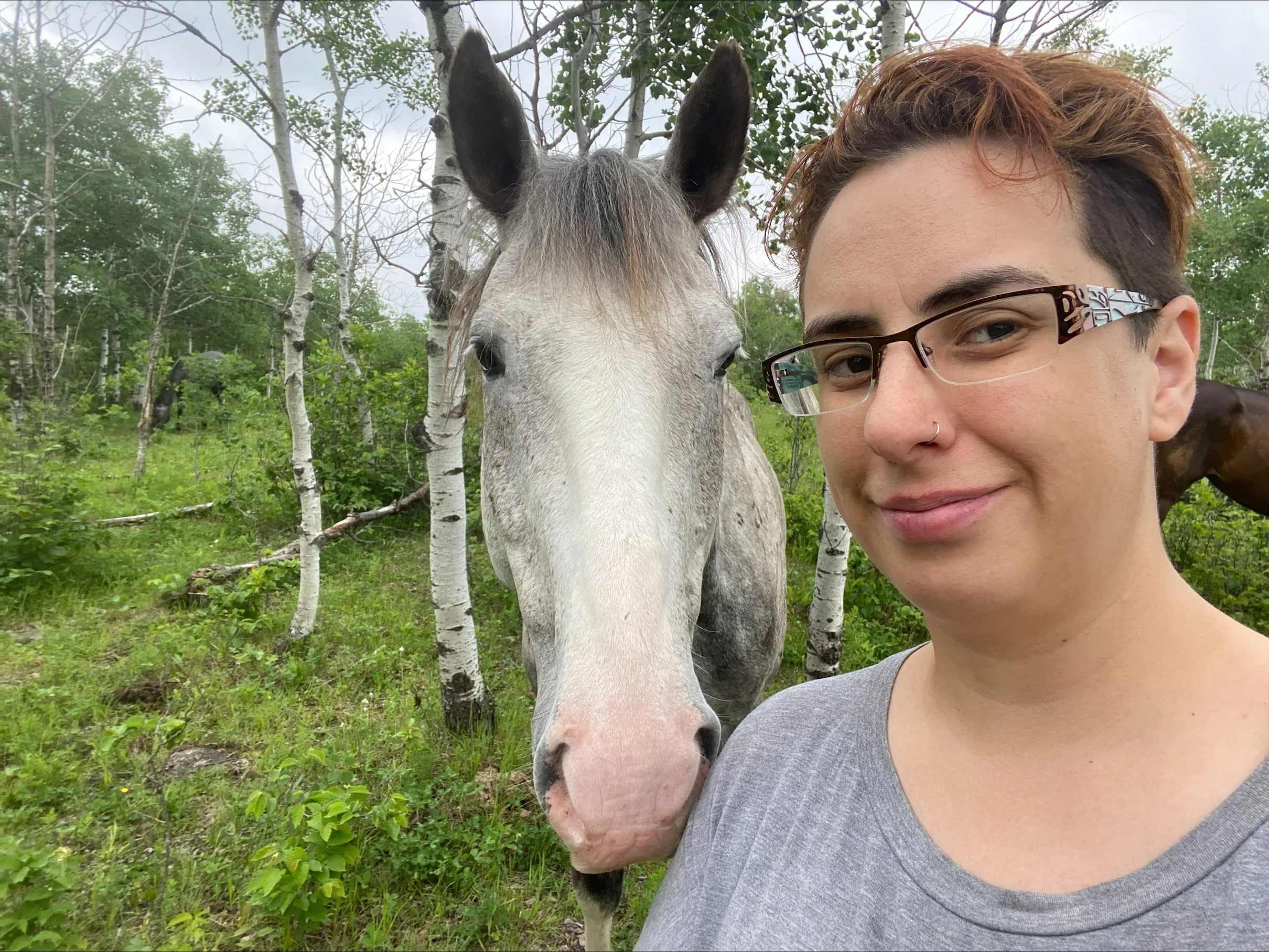
Hi, I'm Tamsen.
I'm a Métis woman, mother, horse owner, and the founder of Prairie Horse Collective.
Originally from Kenora, Ontario, horses have been an important part of my life for many years. Chrome, my third horse, inspired the creation of Prairie Horse Collective and continues to be the heart behind much of the work we do today.
Prairie Horse Collective was created from a simple belief: when we support horse owners, rescues, and advocates, we create better outcomes for horses.
Through education, awareness, community engagement, and fundraising initiatives, PHC helps support prairie horse rescues and promotes responsible horse ownership. Our goal is to create meaningful opportunities for horse lovers to give back to the organizations working every day to care for horses in need.
One of our core programs is the Chrome Initiative, a micro-award program that transforms merchandise sales and community support into funding opportunities for prairie horse rescues. What began as a personal journey has grown into a commitment to creating positive change within the equine community.
Whether you're a rescue, horse owner, volunteer, or supporter, you're welcome here.
Thank you for visiting Prairie Horse Collective and for helping us support horses, empower owners, and strengthen communities.
— Tamsen Richards
Founder, Prairie Horse Collective